
Kirk Roberts Consulting logo
close
Kirk Roberts Consulting logo Kirk Roberts Consulting logo Kirk Roberts Consulting logo
  • What we do
    • Engineering
      • Geotechnical
      • Environmental
      • Civil
      • Structural
      • Fire
    • Projects
      • Architecture
      • Development Compliance & Advisory
      • Fabrication Design
      • Building Information Modelling
    • KR Capital
    • Software
  • Our Projects
    • Land Development
    • Industrial
    • Commercial and Retail
    • Health and Retirement
    • Additional Industries
      • Agribusiness
      • Art & Culture
      • Education
      • Government
      • Modular
      • Recreation
      • Residential
      • Tourism and Hospitality
  • Who we are
    • Who we are
      • Our Team of Consulting Experts
      • Our Vision, Purpose, and Values
      • Awards and Recognition
      • Technology and Innovation
      • Health, Safety, and Quality
      • Who We Sponsor
  • Client Stories
  • Join our team
  • News
  • Our Locations
    • Our Locations
      • Auckland
      • Tauranga
      • Hamilton
      • Wellington
      • Christchurch
      • Queenstown
Contact

Understanding Landslips in New Zealand:

Causes, Prevention and Remediation
Home // Updates //Understanding Landslips in New Zealand: Causes, Prevention and Remediation

differs and workers on site constructing retaining wall

Why do slips occur?
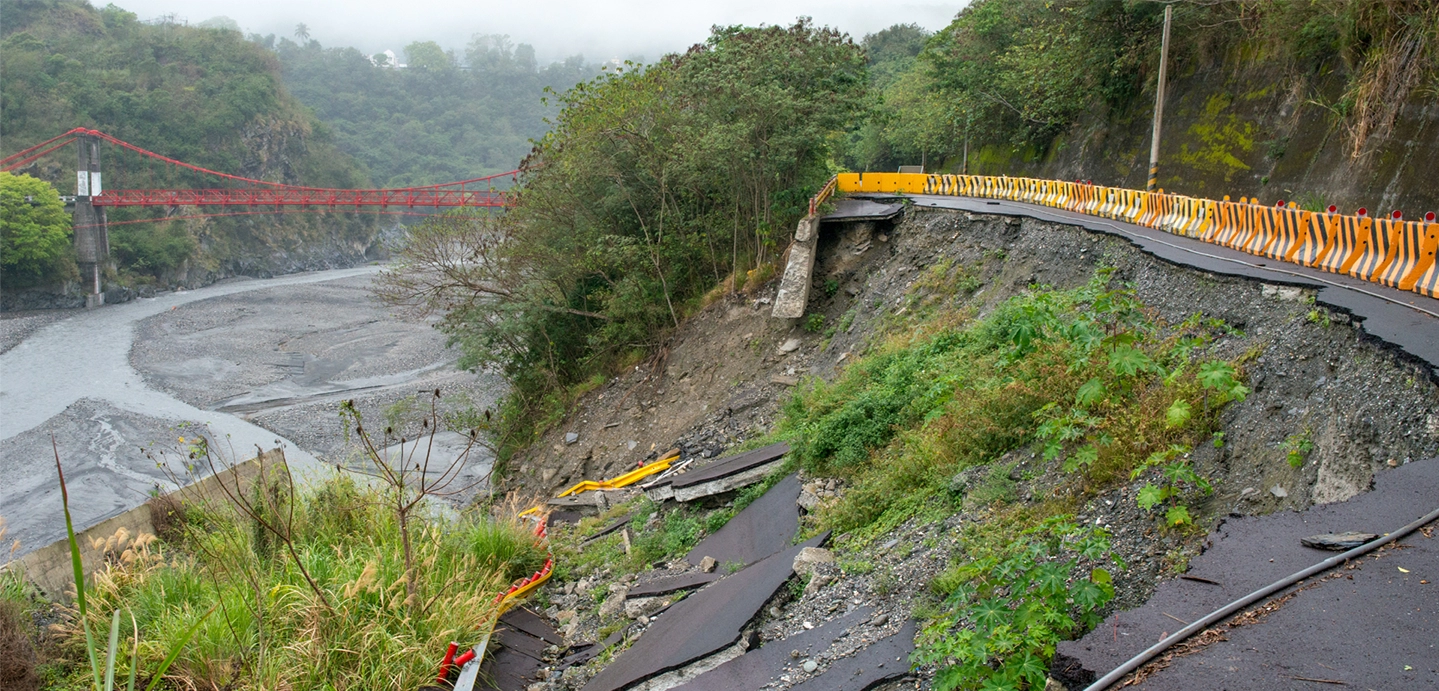
Landslips are commonly triggered by high rainfall episodes. There are numerous landslip types but they typically fall into either shallow landslips or deep-seated failures.

Shallow slips are generally between 0.5 – 1.5 m deep and are more prevalent than deep-seated landslips. The lower strength near surface soils, which are relatively weaker than deeper soils simply become so saturated they no longer hold structure. Whereas, deep-seated failures are visually more spectacular and are quite often initiated by spiked water pressures within underground water seepage zones, which under normal rainfall conditions do not affect the slope.


How can they be prevented?
There are numerous methods to prevent landslips such as terraced retaining walls, gravity walls and soil nailing the slope face. But in some situations, if a slope is too steep, high, or construction access is restricted, these systems become cost prohibitive and the only pragmatic solution is to accept the risk and safeguard buildings by shifting structures to a safe distance away from the crest of the slope. For buildings situated at the base of steep slopes, it may be possible to construct a debris barrier, wall, or earth bund system.


What is the remedial process?
The reactive response involves an initial walkover/triage assessment followed by a suite of ground investigations to confirm the ground conditions. The extent of these investigations depends on the complexity and scale of the landslip setting. Once investigations are complete a ground model is developed, from which engineering slope stability analyses are completed and a selection of suitable repair solutions are found.  The design solutions are bundled into a comprehensive design report and submitted to council for building consent. Once approved, construction can begin, and the engineer will be involved with inspecting each construction element in order to certify the remedial works.

Post navigation

Previous Article Previous article:
Next Article Next article:

Latest insights

IMG_5629
Supporting a Community Vision from Design to Delivery
21 August 2026
lancaster park
Supporting the Next Generation Through Real-World Experience
22 July 2026
Kirk Roberts November 2025
When Do You Need A Fire Report For Your Development?
9 July 2026

We are solution finders

Who we are

Kirk Roberts

Updates

Subscription

  • What we do
    • KR Engineering
    • KR Projects
    • KR Capital
    • KR Software
  • Our Projects
  • Updates
  • Who we are
  • Client Stories
  • Contact Kirk Roberts
  • Linkedin
  • Facebook
  • Email
  • Instagram
  • Join our team
  • Privacy Policy
  • Terms and Conditions
Auckland
// +64 9 972 9038 // Ground Floor, 109 Carlton Gore Road, Newmarket
Hamilton
// +64 7 834 0588 // Ground Floor, 408 Anglesea Street, Hamilton
Tauranga
// +64 7 571 0950 // Level 1, 405 Cameron road, Tauranga
Wellington
// +64 9 972 9038 // Wellington-based capability
Christchurch
// +64 3 379 8600 // 337 St Asaph Street, (CNR St asaph & Barbadoes sts)
Queenstown
// +64 3 379 8600 // Level 1, 15 Gray Street, Frankton
  • Linkedin
  • Facebook
  • Instagram
  • Privacy Policy
  • Terms and Conditions
Join our team
find better ways.

2026 © Kirk Roberts Consulting. All Rights Reserved