


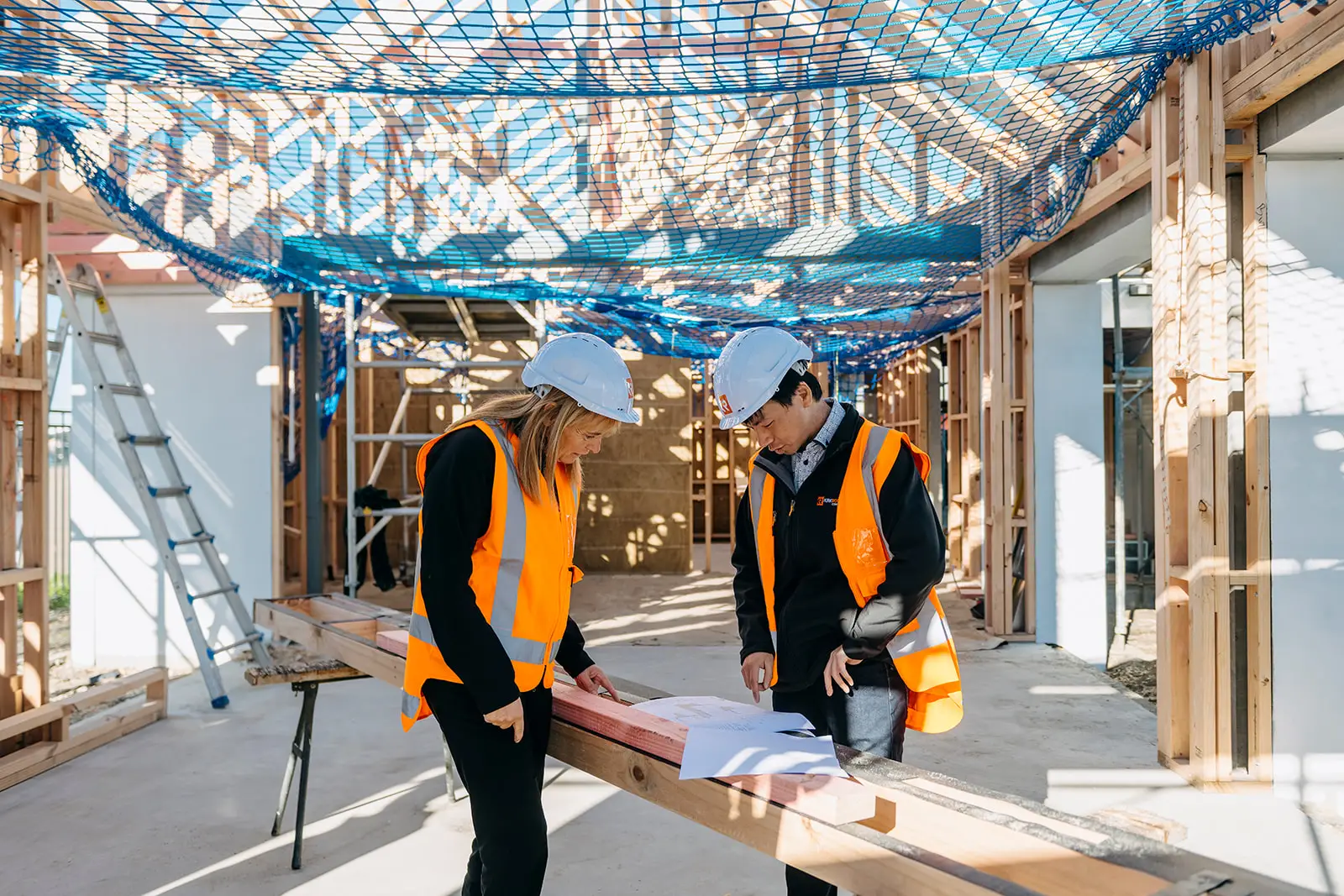
What to expect from your structural engineering partner
We talk with Deborah Curd about the value of early engineering advice.

A structural engineer’s contribution to a development begins well before detailed design. Early advice can help clients understand site constraints, test whether an initial vision is practical and make informed decisions about cost, buildability, programme and project risk.
With structural, geotechnical, civil, environmental, fire and architectural teams across New Zealand, Kirk Roberts can bring the right expertise into a project from the outset.
We spoke with Deborah Curd, Kirk Roberts’ National Structural Manager and Engineering New Zealand Te Ao Rangahau Board member, about when clients should engage an engineer, what good multidisciplinary collaboration looks like and why clients do not need all the answers before starting the conversation.
Start the conversation early
When should a structural engineer first become involved in a development? For Deborah, the answer is straightforward.
“At the beginning. The earlier the better, really.” Ideally, this means involving engineering expertise during the initial scoping or masterplanning stages, before the concept is fixed and key decisions have already been made.
At this point, an engineer can help clarify what the client is trying to achieve and test how the vision aligns with the site, budget and programme. Structural complexity can significantly affect cost and buildability, so early conversations allow those implications to be explored while there is still flexibility to make meaningful changes.
The aim is not to reduce a project’s ambition. It is to understand what the development needs to achieve and make sure the engineering response is appropriate to its purpose.
Why bring multidisciplinary engineering advice in early?
Structural decisions rarely sit in isolation. Ground conditions influence foundation options, civil requirements affect site levels and layout, and architectural and fire considerations can shape materials, configuration and buildability.
That is why Deborah encourages clients to bring the wider consultant team together early. Looking at the site and design collectively helps identify potential conflicts and opportunities before they become embedded in the design.
Kirk Roberts’ structural, geotechnical, civil, environmental, fire and architectural teams can work together around the same project. For clients, that coordinated approach can mean fewer surprises, less redesign and greater confidence in the direction of the development.
Multidisciplinary delivery is about more than having several services within one business. It requires open communication, a shared understanding of the client’s objectives and a focus on the best overall result for the project, not simply the completion of one technical component.
What does good value engineering look like?
A design needs to work technically, but good engineering also considers cost, construction methodology, sequencing, durability and programme.
The decisions made on a drawing eventually need to become something a contractor can build efficiently. Considering materials, sequencing and practical delivery during design can reduce unnecessary complexity and help avoid inefficient solutions on site.
The same principle applies to value engineering. Done well, it is not simply an exercise in making a project cheaper. It means understanding what creates value for the client and finding an efficient way to achieve the required performance and outcome. That requires an understanding of the client’s priorities and the confidence to challenge assumptions when there may be a simpler or more practical way forward.

A wider view of a changing profession
Alongside her national leadership role at Kirk Roberts, Deborah serves on the Engineering New Zealand Te Ao Rangahau Board.
This connects her with conversations across the profession about professional standards, regulation, emerging technology and the future direction of engineering in New Zealand.
The exchange works in both directions. Deborah brings practical experience from within a national engineering consultancy to wider industry discussions, while bringing relevant insight about emerging issues back to Kirk Roberts teams and clients across the country.
You do not need all the answers before you call
Clients do not need a fully resolved design before speaking with their engineering team. What is most useful at the outset is a clear conversation about the intended use, priorities, budget and programme, together with any information already available about the site.
From there, the team can identify what needs to be investigated, the options available and the disciplines that should be involved before the design progresses further.
For Deborah, this is where a good engineering partnership begins: not with a completed design waiting to be engineered, but with an open conversation about the outcome the client is trying to achieve. Early engagement does not mean having everything figured out earlier. It means bringing the right people into the conversation early enough to help figure it out.
Planning a development? Talk to Kirk Roberts about the site, your objectives and the expertise that could add value from the outset.
Latest insights


