


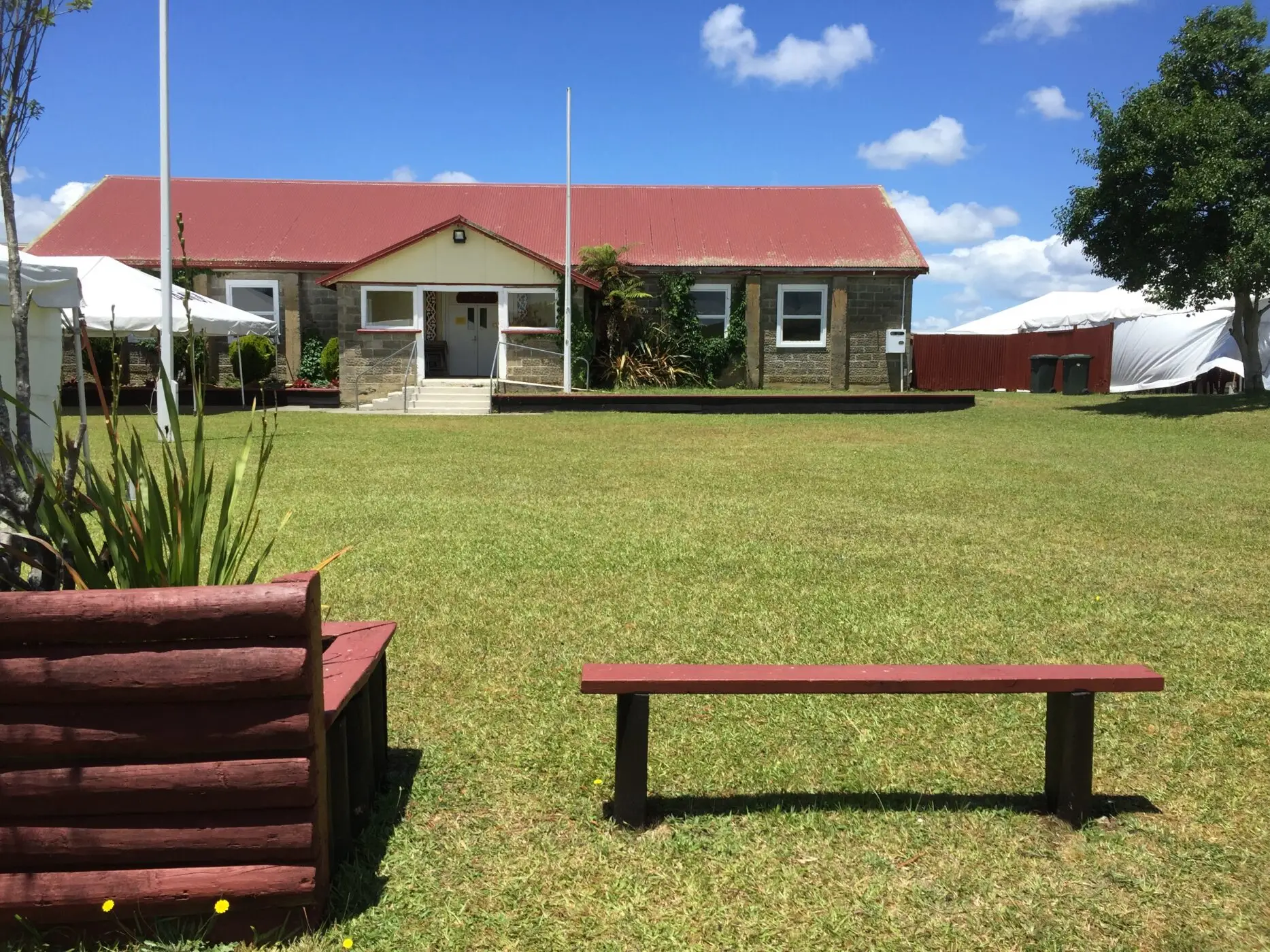
How do you take an important community project from an initial vision through design, consent and ultimately construction?
For the whānau of Waikare Marae, replacing their former wharekai or communal dining hall involves much more than designing a new building. It means navigating technical requirements, council approvals, construction costs and procurement, potentially for the first time.
The new wharekai will include a commercial kitchen, main dining space and meeting area, creating an important place for whānau and the wider community to gather, share kai and connect.
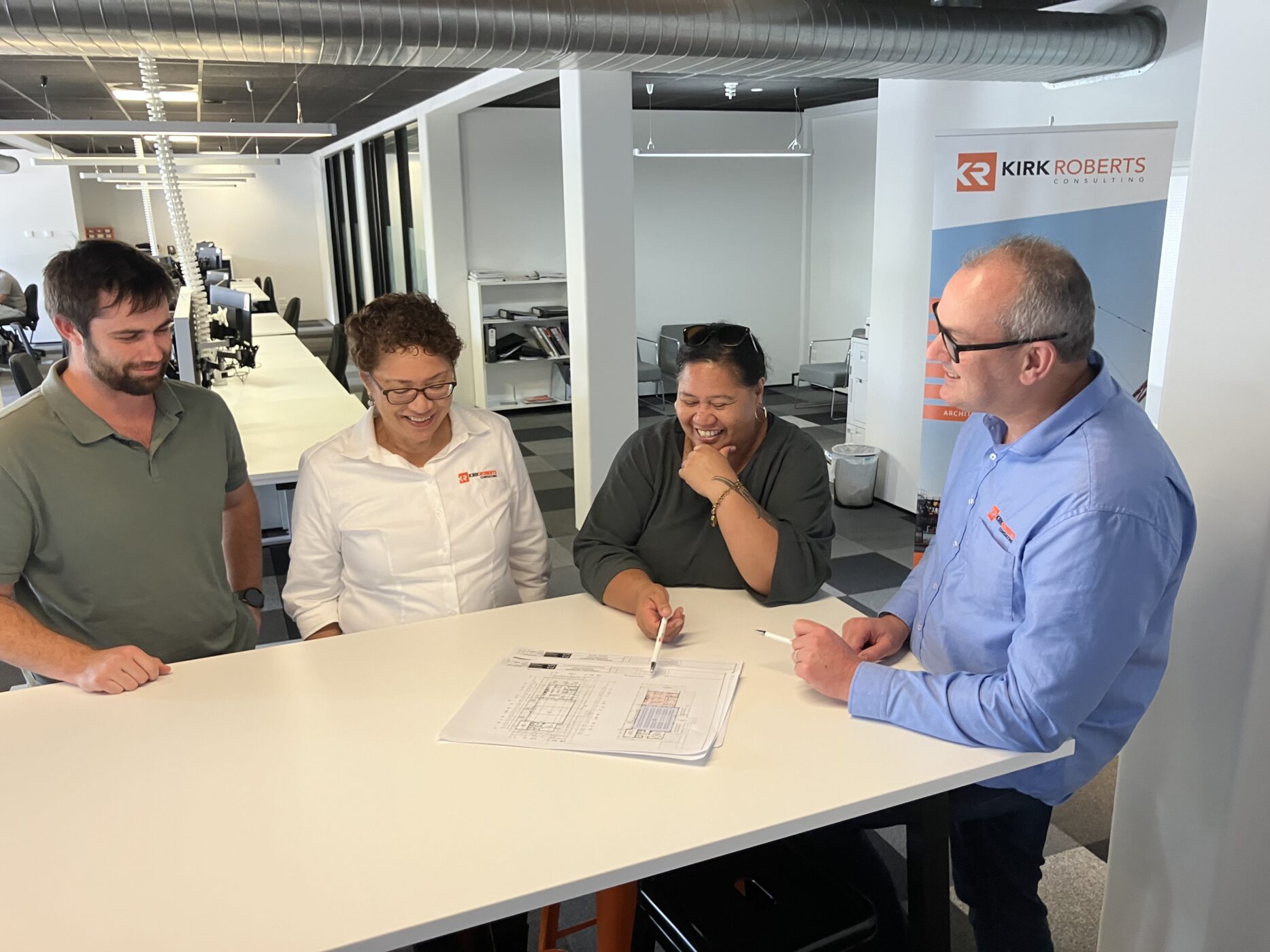
Through Kirk Roberts team member Denise Fenton, our Hamilton team has been working alongside the whānau to help make that process clearer and more manageable.
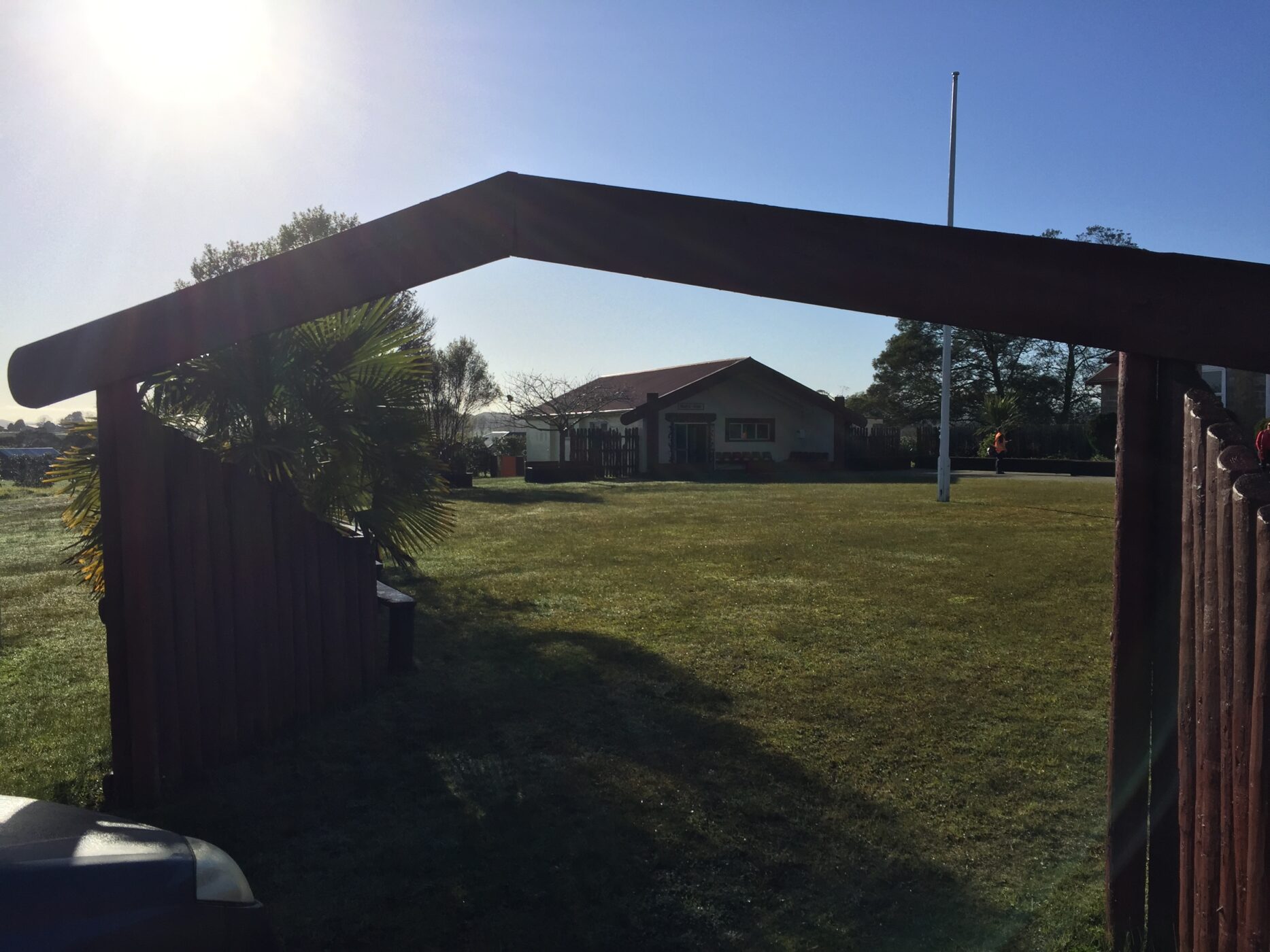
Located east of Te Kauwhata, Waikare Marae has ancestral connections to the Waikato awa, Taupiri maunga and the Tainui waka collective. Its principal hapuu include Ngaati Hine, Ngaati Naho, Ngaati Pou and Ngaati Taratikitiki, with the wharenui also named Ngaati Hine.
Our support brings together geotechnical, structural, environmental and fire engineering expertise, alongside practical guidance informed by our experience delivering projects across the Waikato and New Zealand.
Designing for the way the marae operates
An important part of the design process has been understanding how the facilities will be used. Marae can experience significant demand during hui, tangihanga and other gatherings, followed by quieter periods. The infrastructure therefore needs to respond to these changing levels of use.
The geotechnical team has worked with Waterflow to develop a wastewater solution that is suited to this operating pattern. The project is also providing an opportunity to improve existing infrastructure, with wastewater from the wharenui planned to connect into the new system. This coordinated approach will provide a practical solution for the new wharekai while supporting the wider needs of the marae.
Helping the whānau navigate the process
For clients undertaking a major building project for the first time, the steps between design and construction can be difficult to navigate. Alongside the technical work, the Hamilton team is helping the whānau understand what is required at each stage and connecting them with the right people.
This has included helping to coordinate planning support, providing space for project meetings and preparing for contractor procurement. The team is also drawing on established local relationships to help identify suitable builders, subcontractors and suppliers. The design has now been submitted to Waikato District Council for building consent, while the remaining resource consent requirements are worked through.
“We’re using the knowledge and experience gained through our work with other clients to help the whānau navigate a process they may not have been through before. It’s about providing technical direction, practical support and local connections that can help move the project forward.”
Steve Temple, Hamilton Regional Manager
A partnership grounded in local relationships
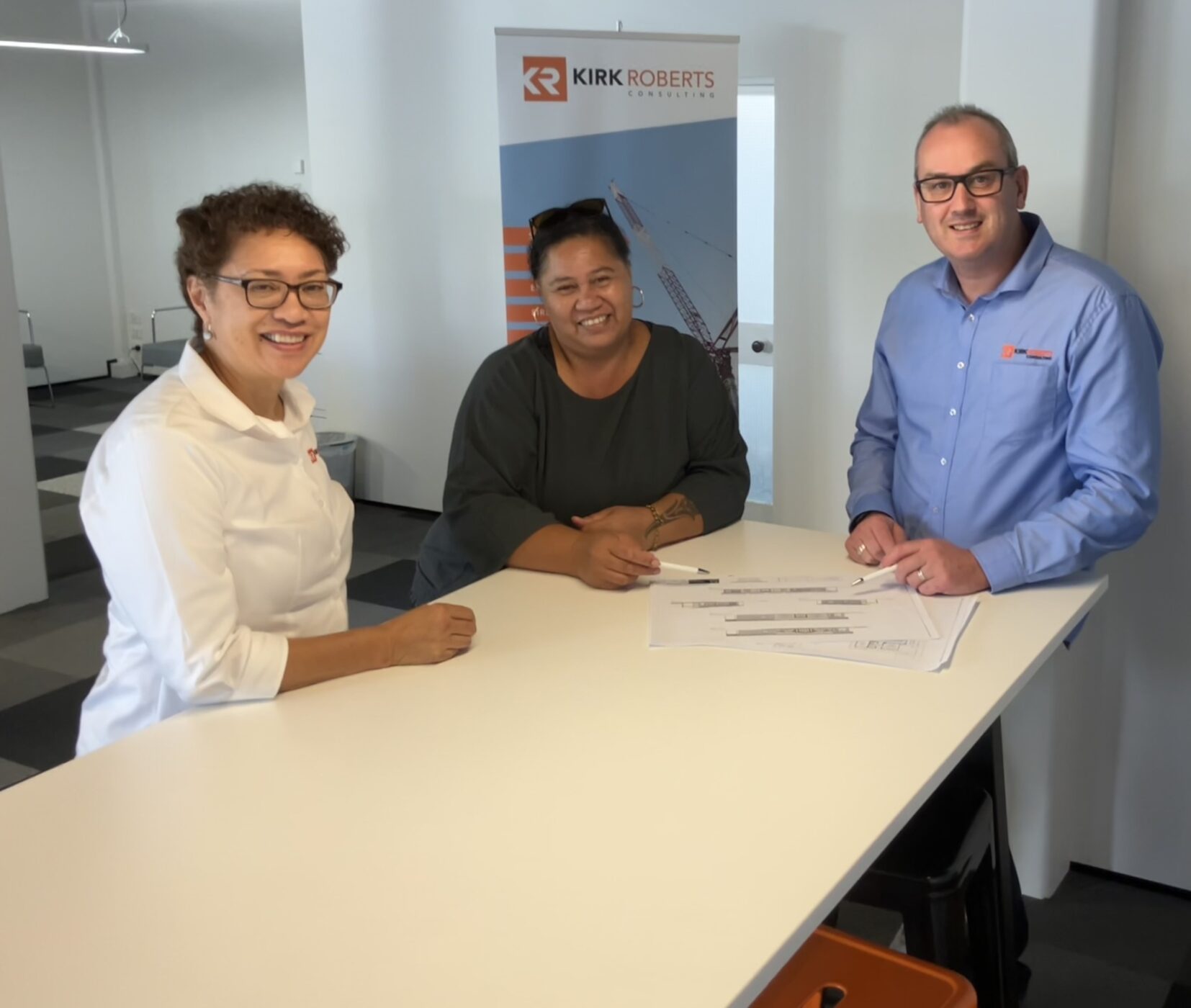
The opportunity came through Kirk Roberts team member Denise Fenton, who is closely connected with the marae and is part of the project team alongside Lucy Marshall. For our Hamilton team, the project is an opportunity to build a meaningful partnership with local whānau and contribute to a facility that will serve the community for generations.
“The new wharekai is an important project for our whānau and community. Having people around us who understand the technical requirements and can guide us through each stage has helped make the process feel much more achievable.”
Denise Fenton and Lucy Marshall.
Latest insights


